Spotting the early signs
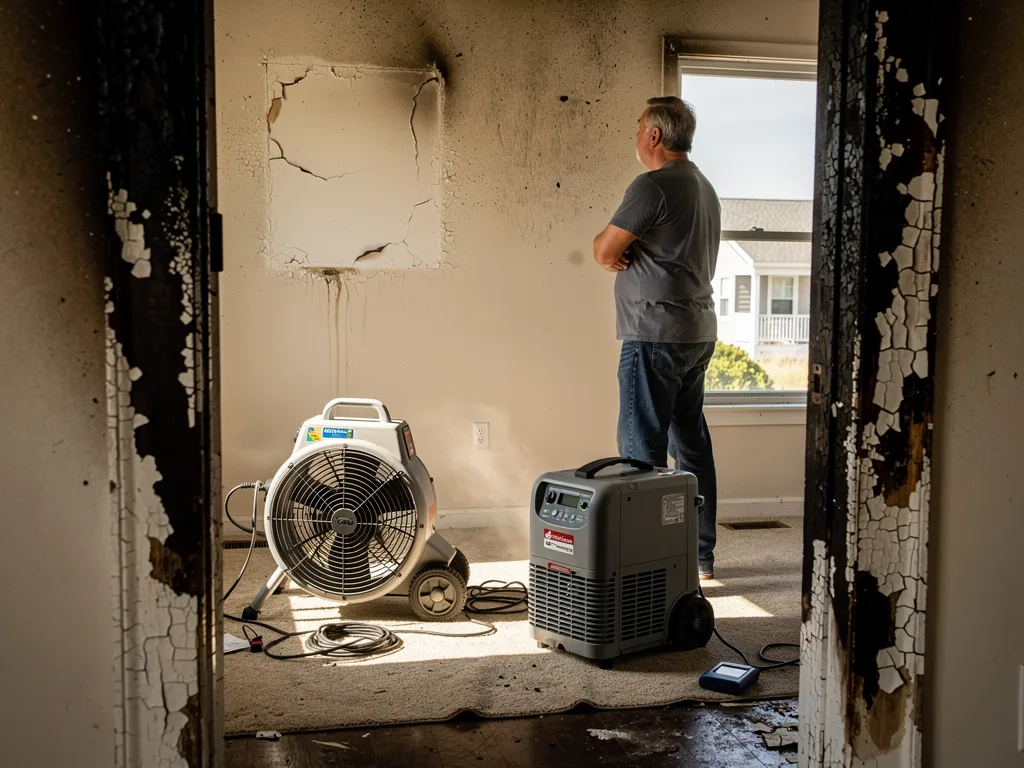
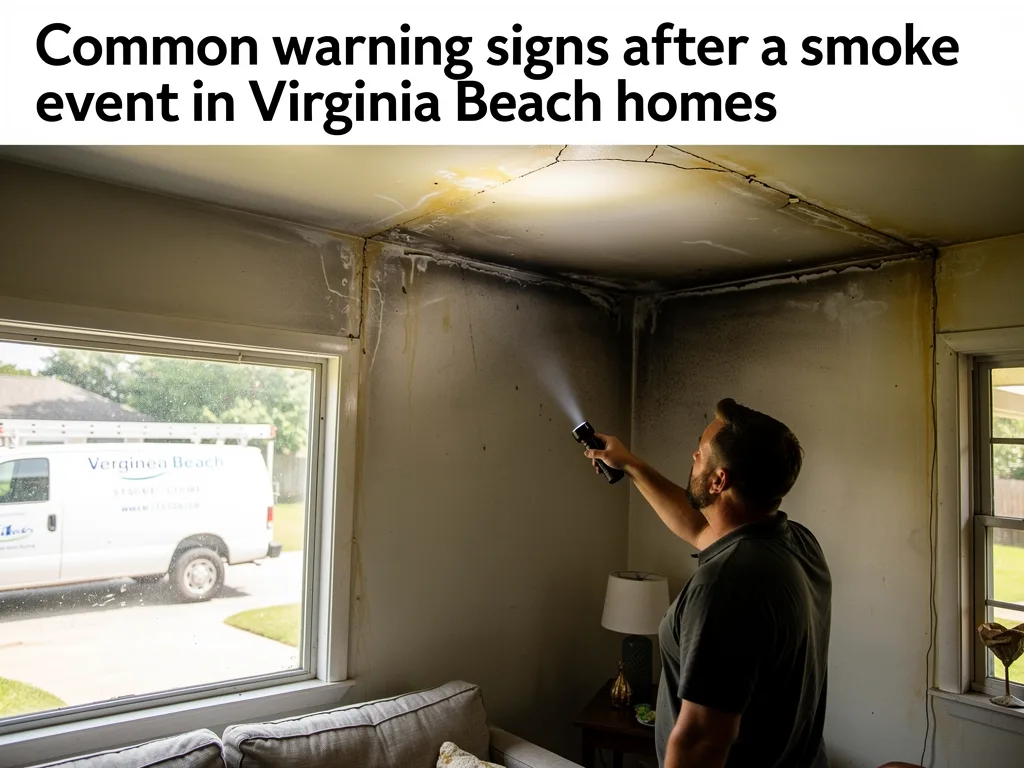
After a fire or smoke event, the first signs aren’t always obvious. In a Virginia Beach home a quick check around living spaces, kitchens, and hallways helps you catch trouble early. Look for a persistent smoky odor, even after airing out rooms. Check ceilings and walls for pale staining or soot that seems to cling to surfaces. Notice if your HVAC system circulates smoke issues rather than clearing them, and pay attention to metal finishes that appear tarnished or corroded quickly.
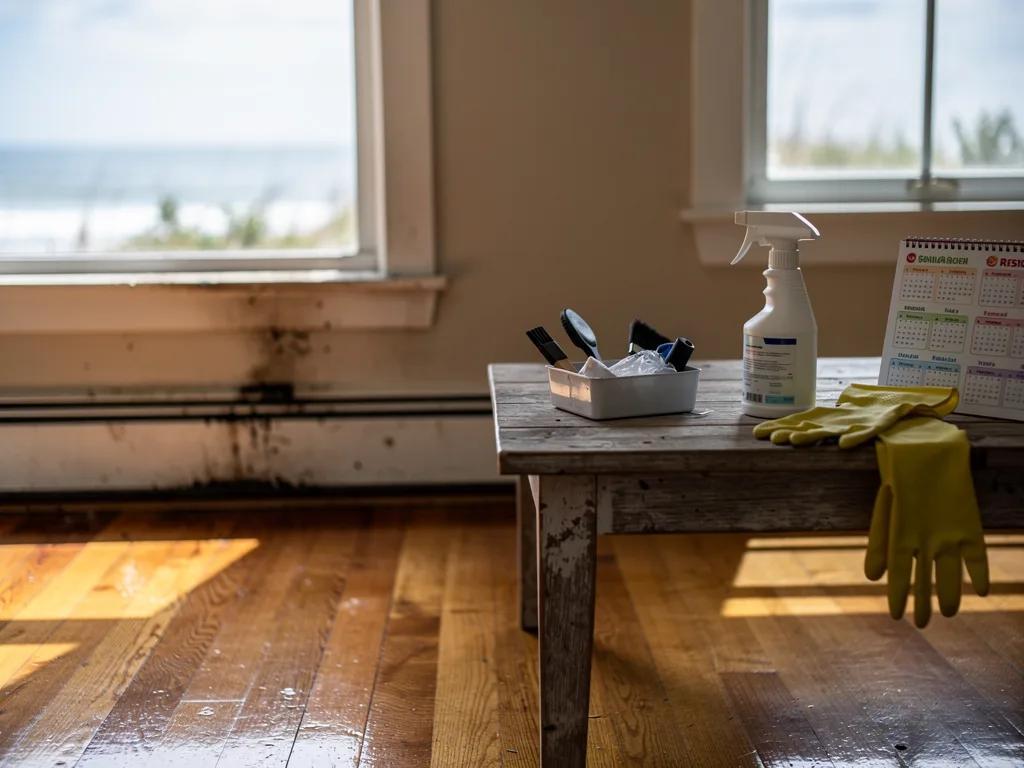
Our restoration specialists in Virginia Beach have seen these tiny cues add up. A strong hint often is lingering odor after windows are opened and fans run for several hours. If you notice brownish or gray residue on walls or baseboards, that can indicate smoke particles migrating through the home. Don’t assume a quick clean is enough; smoke damage tends to hide inside surfaces and can come back later if addressed incompletely.
When in doubt, call our team. A trained restoration specialist can assess materials without tearing into walls and propose a plan that protects the home, especially in humid coastal air that Virginia Beach experiences in the warmer months.
What to do right away
Open windows if weather permits to help with ventilation, but avoid blasting the home with dry air that could spread soot. Replace HVAC cabin filters and keep doors to affected rooms closed to limit cross-contamination. Gather any photos, personal items, or keepsakes you want to discuss with the restoration specialists so they can tailor a plan from the start.
Document everything you observe and share it with Smoke Damage Virginia Beach. Clear notes about odor strength, stain color, and where you see residue help our restoration specialists formulate a precise response. This isn’t a DIY cleanup; you want to preserve materials and prevent further damage.
Why professional input matters
A professional assessment considers both surface and subsurface conditions. In a coastal climate like Virginia Beach, smoke can affect wood, drywall, and fabrics in different ways. Our crew uses field-tested methods to identify hidden pockets of contamination and to decide which materials should be sealed, cleaned, or replaced. The goal is to restore safe indoor air quality and minimize future odor migration.